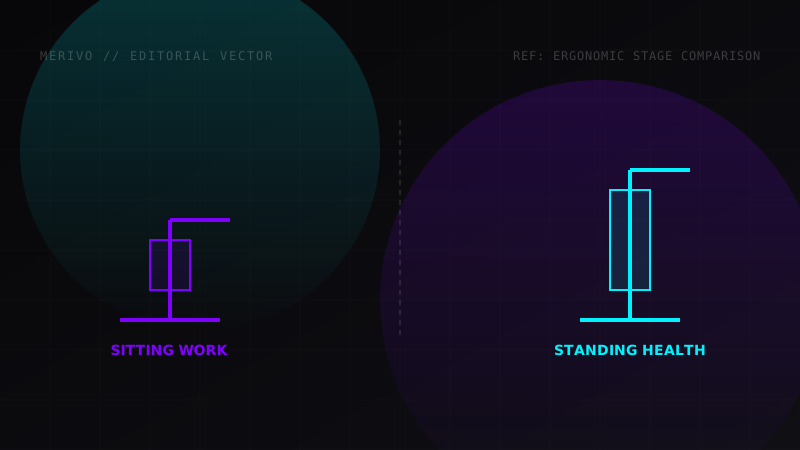
Standing desks have transitioned from office luxuries to developer essentials. Sitting for hours drops metabolism and causes physical fatigue, reducing energy levels. Alternating sitting and standing intervals keeps your muscles active, increases blood flow, and maintains your cognitive focus.
The Science of the "Sitting Disease"
Prolonged sitting slows lipase enzyme activity, which breaks down fat. This triggers physical exhaustion and lower back strain. Conversely, standing all day leads to joint compression, sore feet, and varicose veins. The solution lies in dynamic alternation.
The 50/10 Alternating Protocol
Do not try to stand for 8 hours straight; this leads to sore feet and lower back fatigue. Instead, follow the 50/10 Rule:
- Sitting Phase (50 Minutes): Set your chair to standard ergonomic levels. Focus on heavy coding or writing sessions.
- Standing Phase (10 to 20 Minutes): Elevate the desk. Stand with knees unlocked, shifting weight occasionally. Excellent for reading documentations or responding to emails.
Essential Standing Desk Features
When shopping for an electric standing desk, look for:
- Dual-Motor Mechanics: Single-motor desks struggle with heavy setups (monitors, desktop computer). Dual motors lift smoothly and silently.
- Anti-Collision Sensors: Automatically halts desk movement if it contacts a chair armrest or under-desk drawer unit.
- Memory Presets: Allows saving exact sit and stand heights down to the millimeter.